Breeding Cardinal Tetras: A Step-by-Step Guide
James Thornton
Expert Contributor
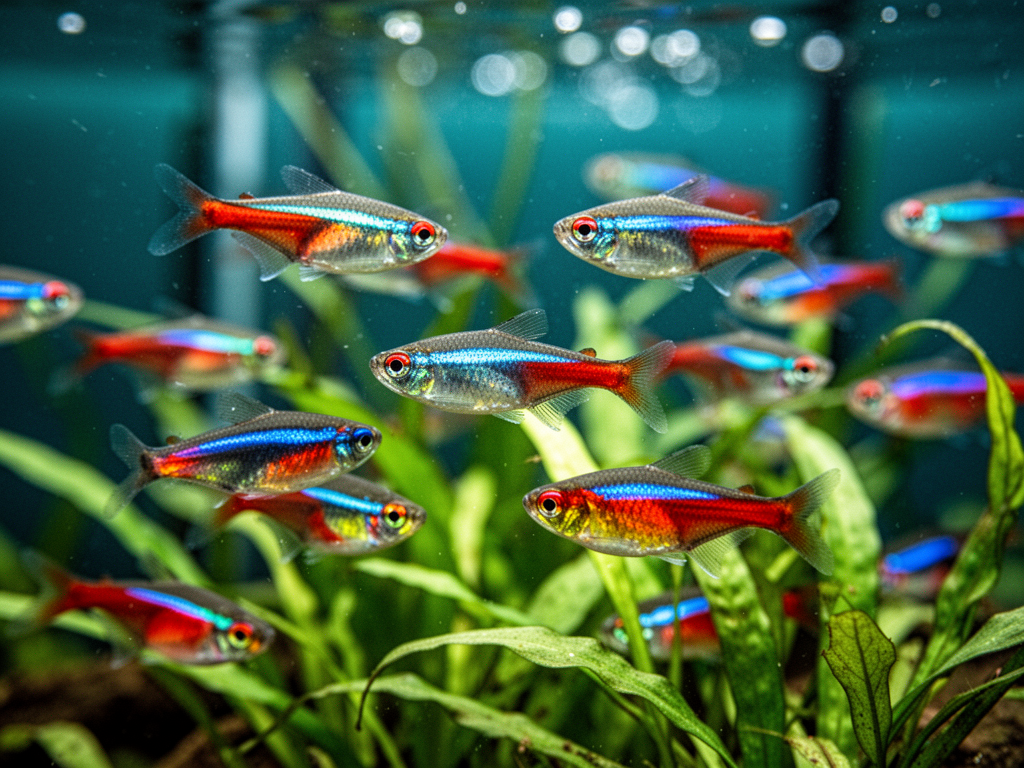
Cardinal tetras (Paracheirodon axelrodi) are among the most prized fish in the freshwater hobby, famous for their vivid red and neon blue stripes. Unlike their close cousins the neon tetra, cardinals are primarily wild-caught, making captive breeding a significant challenge and a worthy goal.
To breed cardinal tetras, you'll need a dedicated breeding tank: a small, 10-20 gallon aquarium with very soft, acidic water (pH 5.5-6.5, TDS under 50 ppm). A reverse osmosis filter is almost essential to achieve these parameters. Temperature should be around 26-28°C (79-82°F).
Lighting must be very dim — use floating plants or cover part of the tank. Cardinals spawn in darkness, so a blackout period is often used. Add java moss or fine-leaf plants for spawning sites.
Conditioning the parents: Feed the breeding pair live or frozen foods (daphnia, micro worms, baby brine shrimp) for 2-3 weeks before attempting to spawn.
Spawning behavior: The male will chase the female in the evening. Eggs are scattered among the plants and are light-sensitive — after spawning, cover the tank completely. Eggs hatch in 24 hours, and fry become free-swimming around day 5. First foods: infusoria, then newly hatched brine shrimp.
Related Articles
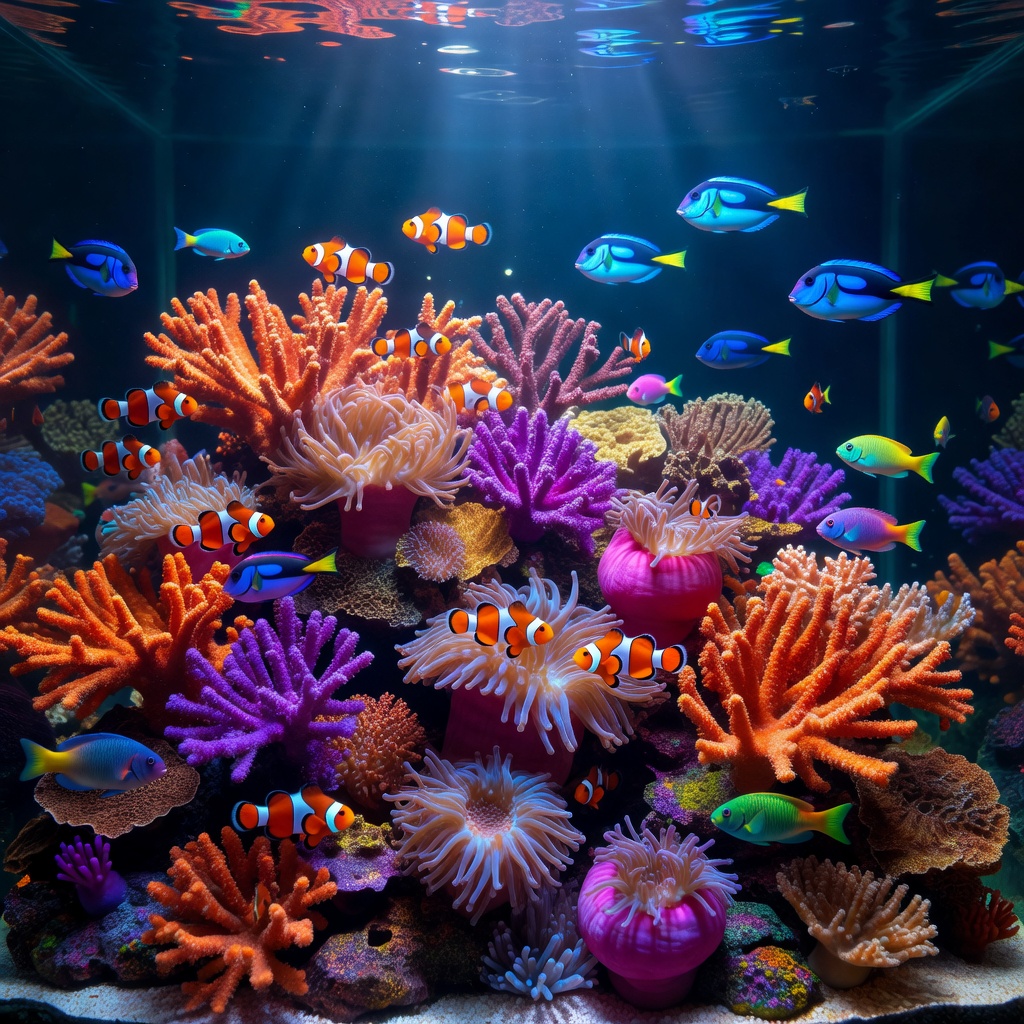
Understanding LED Reef Lighting: PAR, PUR and Spectrum Explained
Choosing the right light for your reef can be confusing. PAR, PUR, spectrum, intensity — what does it all mean? We break down everything you need to know about reef lighting in plain language.
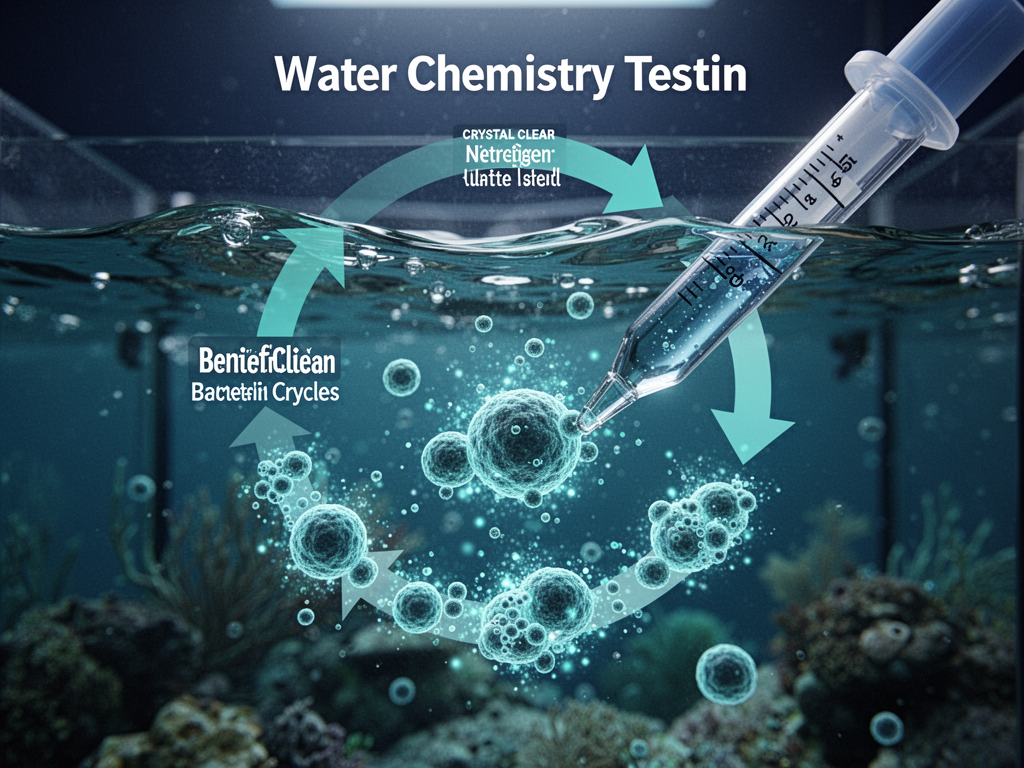
The Nitrogen Cycle Explained — A Beginner's Guide to Cycling Your Tank
Understanding the nitrogen cycle is the single most important thing a new fish keeper can learn. In this guide, we break down how ammonia, nitrite and nitrate interact, and why cycling your tank before adding fish is absolutely essential.
Top 10 Hardy Saltwater Fish for Beginners
Starting a saltwater aquarium can feel overwhelming, but choosing the right fish makes all the difference. These 10 beginner-friendly marine fish are forgiving, hardy, and absolutely stunning in a home reef tank.