Understanding LED Reef Lighting: PAR, PUR and Spectrum Explained
Sarah Chen
Expert Contributor
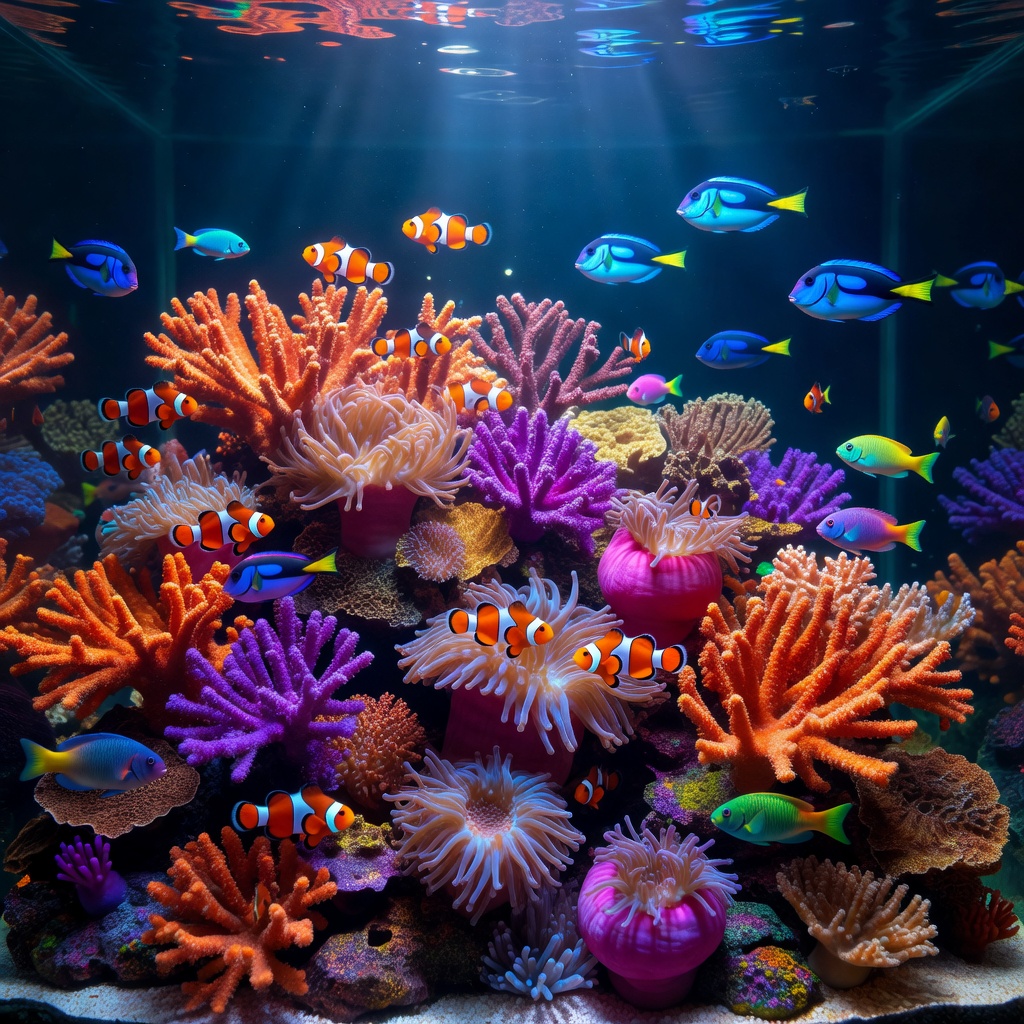
Lighting is one of the most critical and confusing aspects of reef keeping. Corals are photosynthetic organisms — they host zooxanthellae algae in their tissue that converts light into energy. Get the lighting wrong and your corals will bleach, brown out, or die.
PAR (Photosynthetically Active Radiation) measures the amount of light in the 400-700nm wavelength range that plants and corals can use for photosynthesis. Most reef-keeping corals want PAR values between 50-250+ depending on the coral type: soft corals do well at 50-150, LPS at 100-200, and SPS corals often need 200-400+ PAR.
PUR (Photosynthetically Usable Radiation) is a more nuanced measurement that accounts for the specific wavelengths corals actually use most efficiently — particularly the blue and violet spectrum (420-480nm) that drives coral coloration and coral growth.
Modern LED fixtures are highly efficient and customizable, allowing you to adjust spectrum and intensity. Popular options include the AI Hydra series, Radion by EcoTech Marine, and more affordable options like the Kessil A360. When setting up a new reef, start lights at 30-40% intensity and gradually increase over several weeks to avoid bleaching.
Related Articles
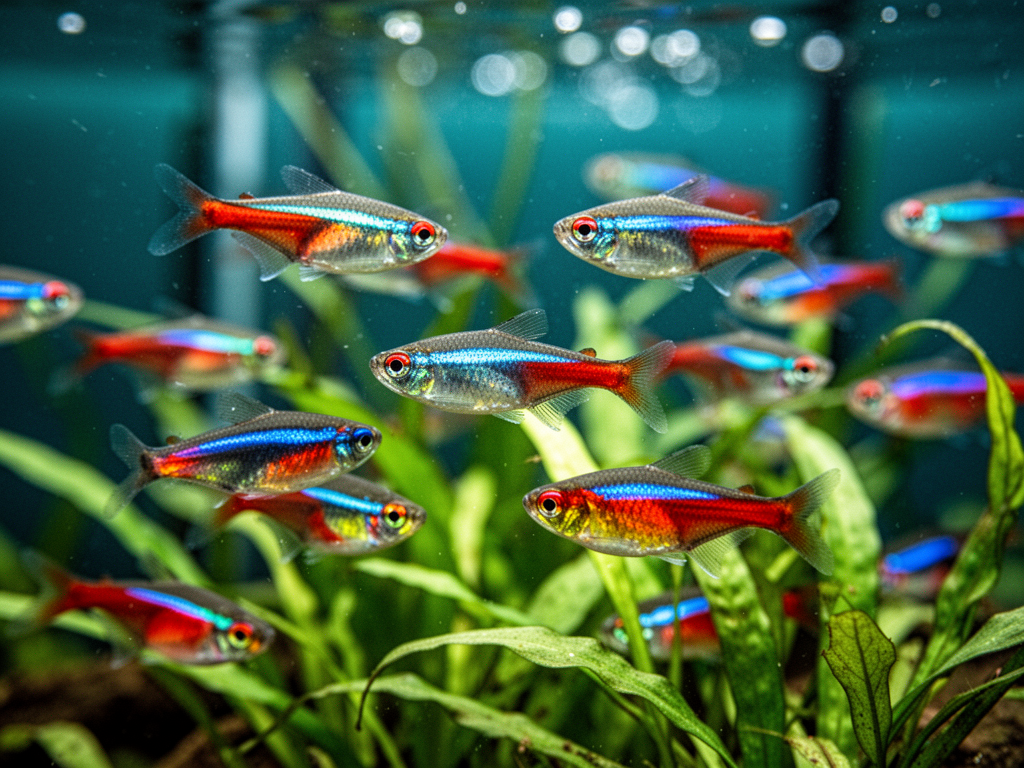
Breeding Cardinal Tetras: A Step-by-Step Guide
Cardinal tetras are one of the most beautiful freshwater fish, but breeding them in captivity is notoriously challenging. With the right conditions and patience, it's absolutely possible — and incredibly rewarding.
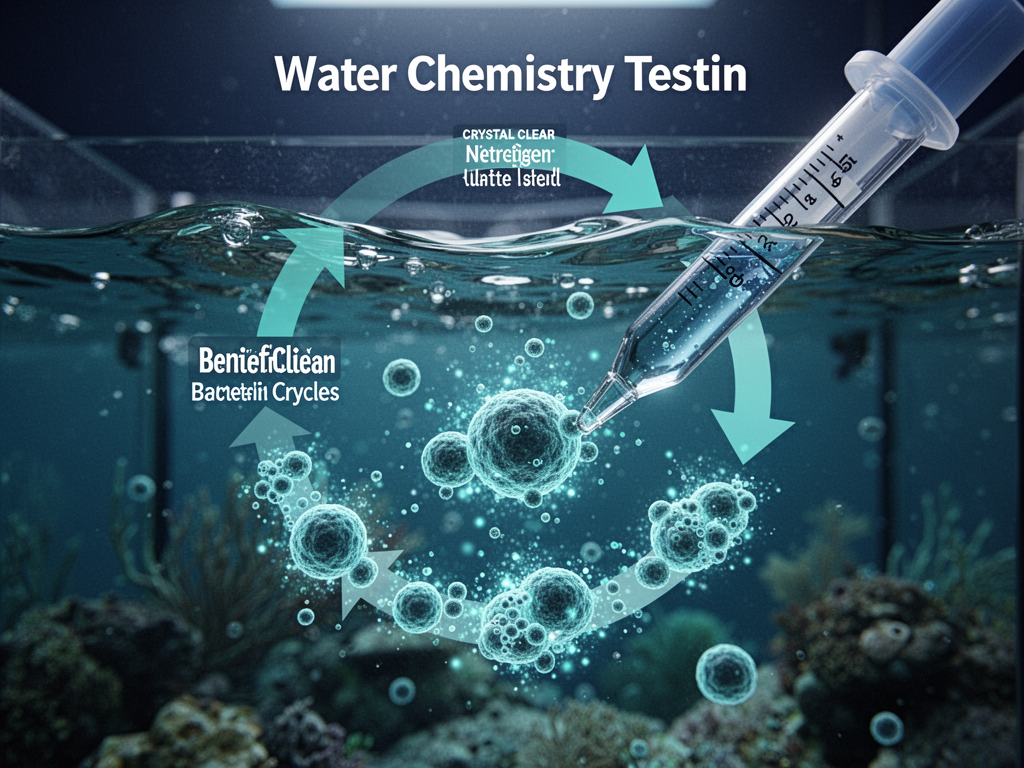
The Nitrogen Cycle Explained — A Beginner's Guide to Cycling Your Tank
Understanding the nitrogen cycle is the single most important thing a new fish keeper can learn. In this guide, we break down how ammonia, nitrite and nitrate interact, and why cycling your tank before adding fish is absolutely essential.
Top 10 Hardy Saltwater Fish for Beginners
Starting a saltwater aquarium can feel overwhelming, but choosing the right fish makes all the difference. These 10 beginner-friendly marine fish are forgiving, hardy, and absolutely stunning in a home reef tank.