Aquascaping 101: Creating Natural-Looking Planted Tanks
Marco Visser
Expert Contributor
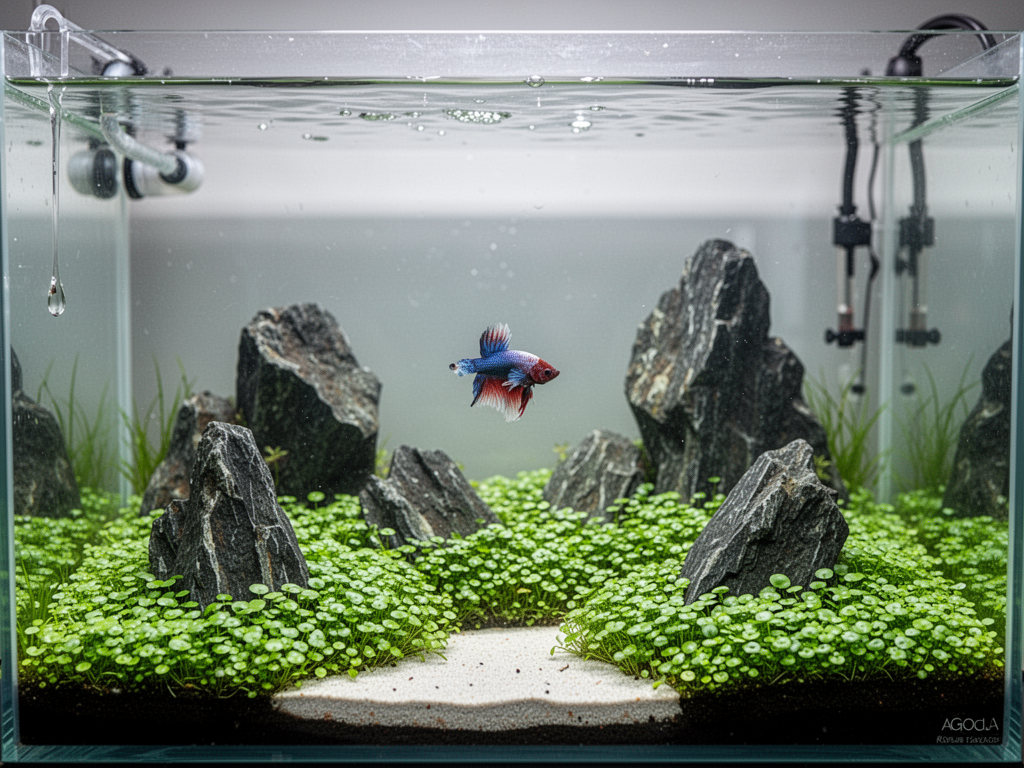
Aquascaping is the art of arranging aquatic plants, rocks, driftwood, and substrate to create beautiful, natural-looking underwater landscapes. It's a hobby within a hobby — combining fishkeeping with elements of gardening, landscape design, and fine art.
There are three main aquascaping styles:
Nature Aquarium — pioneered by Takashi Amano, this style emulates natural landscapes using the golden ratio for composition. It typically features a main focal point (usually a rock formation or single large piece of driftwood) with plants creating depth and perspective.
Iwagumi — a sub-style of nature aquarium focused exclusively on rock (Iwagumi means 'rock formation'). Minimalist and meditative, often featuring low carpet plants and a single school of small fish.
Dutch Style — a European tradition that emphasizes plant diversity, color contrast, and dense planting in rows and terraced groups. More structured than nature aquarium, with an almost garden-like precision.
Key principles: Rule of thirds for composition, contrast between foreground/midground/background plants, proper lighting spectrum and duration (8-10 hours), CO2 injection for plant growth, and a nutrient-rich substrate capped with fine gravel or sand.
Beginner-friendly plants: Java moss, Anubias, Cryptocorynes, Amazon swords, and Vallisneria are excellent starting points that don't require CO2 injection.
Related Articles
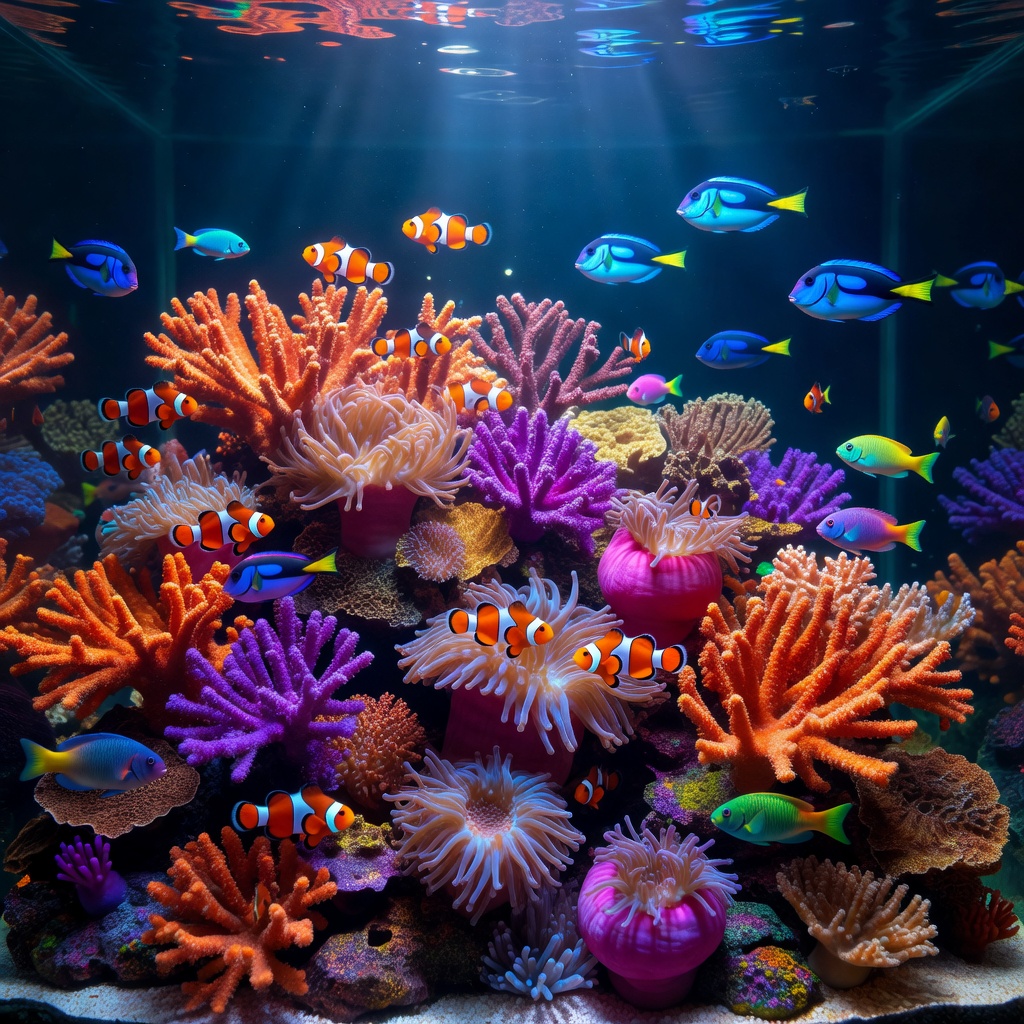
Understanding LED Reef Lighting: PAR, PUR and Spectrum Explained
Choosing the right light for your reef can be confusing. PAR, PUR, spectrum, intensity — what does it all mean? We break down everything you need to know about reef lighting in plain language.
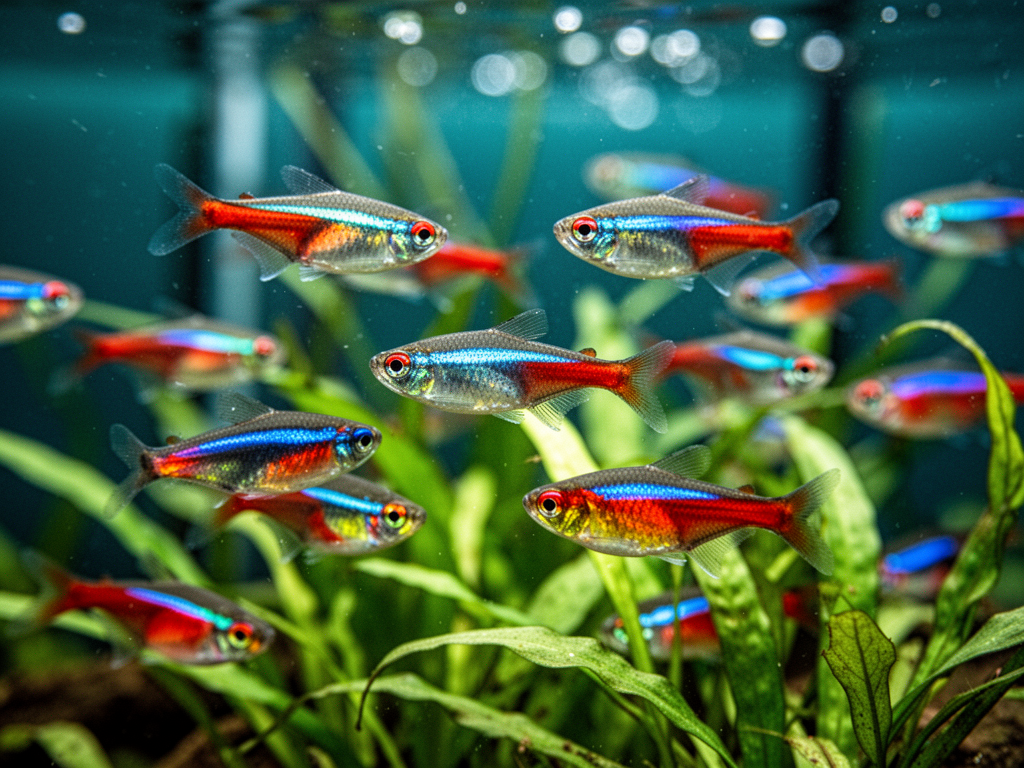
Breeding Cardinal Tetras: A Step-by-Step Guide
Cardinal tetras are one of the most beautiful freshwater fish, but breeding them in captivity is notoriously challenging. With the right conditions and patience, it's absolutely possible — and incredibly rewarding.
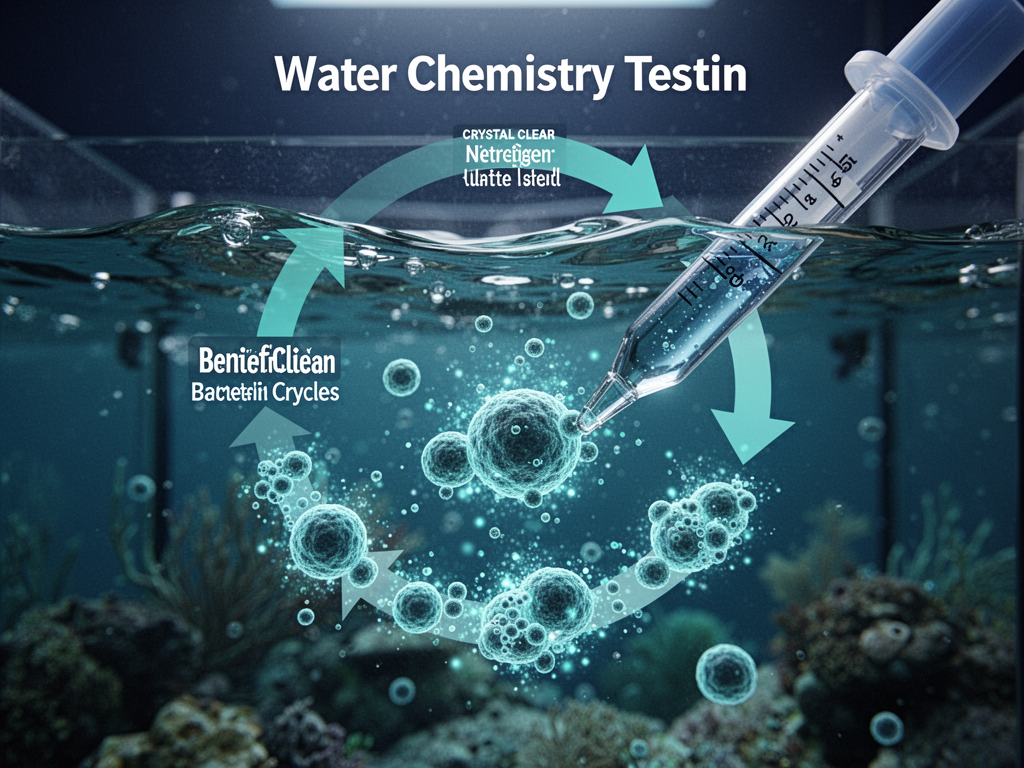
The Nitrogen Cycle Explained — A Beginner's Guide to Cycling Your Tank
Understanding the nitrogen cycle is the single most important thing a new fish keeper can learn. In this guide, we break down how ammonia, nitrite and nitrate interact, and why cycling your tank before adding fish is absolutely essential.